
STUDENT

PARENT

STAFF
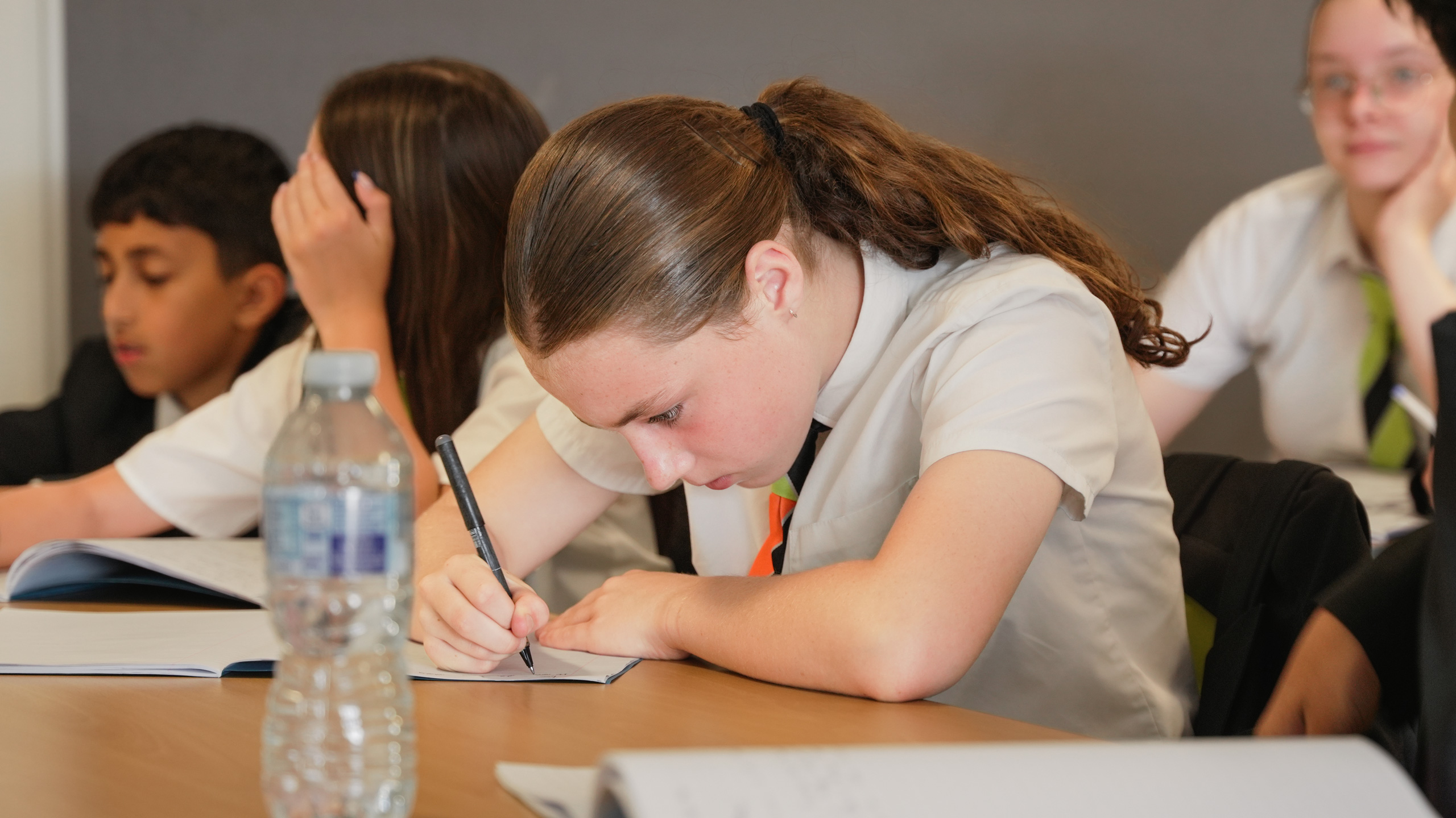
Revision is an important part of learning at Chiltern Hills Academy. It helps students revisit key knowledge, strengthen memory and build confidence ahead of assessments and examinations.
Effective revision is active, regular and varied. Students are encouraged to use a range of strategies including retrieval practice, cue cards, revision clocks, mind maps, exam questions and revision timetables to support long-term learning and understanding.
Explore the sections below for revision guidance, downloadable resources and useful study support materials.
Regular revision strengthens memory, deepens understanding, and boosts exam performance. It’s about making the most of what you already know – and building on it. Research shows that revisiting topics little and often is far more effective than last-minute cramming.
Tip: The earlier you start, the less stressful it becomes.
Our students use the C.R.A.V.E. method to make revision more effective:
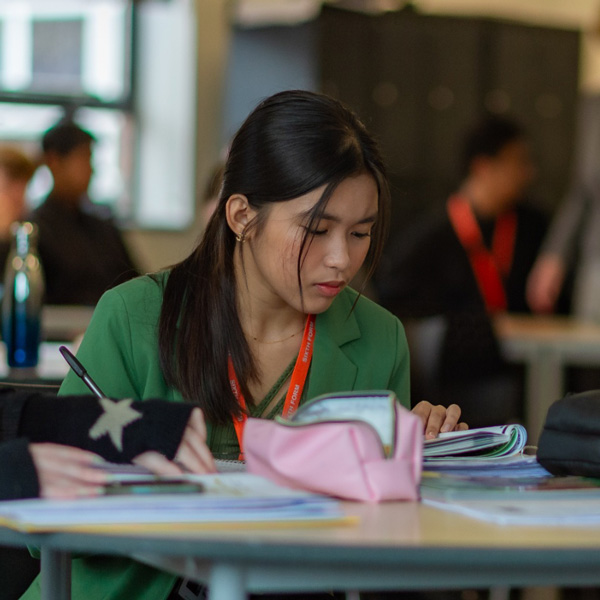
These resources introduce a range of practical revision techniques designed to help students organise and remember information more effectively.
These resources focus on planning revision, memory techniques and creative approaches to independent study.
Our Revision Reel shares revision ideas and examples created by students and staff to promote different ways of revising effectively.
The collection will continue to grow throughout the academic year.
Students in Years 7–13 have taken part in a Revision Day designed to support future assessments and develop life-long learning habits.
During the day, students explored learning, memory and retrieval practice through a range of evidence-based revision strategies supported by cognitive science.
A parent webinar was also delivered to support families in understanding how students learn and revise most effectively.
Creativity
The more creative revision becomes, the more engaging and memorable it can be.
Repetition
Students need to revisit learning regularly over time to strengthen memory and understanding.
Activity
Active revision strategies such as self-testing, explaining ideas aloud and practising exam questions are far more effective than simply rereading notes.
Visual
Using colour, diagrams, images and visual links can help students organise and remember key information.
Environment
A quiet, organised workspace with limited distractions can help students focus and revise effectively.
Scanning and skimming are useful techniques for quickly locating important information when revising.
These techniques can help students prioritise information before moving into more detailed revision activities.
Reading through notes alone is not effective revision. Students should aim to do something with the information they are learning.
For example:
The aim is to process information more deeply, making it easier to remember and retrieve later.
Students forget information over time if they do not revisit it. Regular review helps strengthen memory and makes knowledge easier to recall.
This is why revision should happen in short, repeated sessions over time. Every time students review, test and correct their understanding, they make the learning stronger.
Students can also access subject-specific Knowledge Organisers and assessment preparation materials through the Curriculum section of the website.
All of the following resources can be found on our Assessment Maps page, under the Knowledge Organisers section:
The following websites may support independent revision and study:
Please note that some online resources may not always match current exam specifications. Students should check with subject teachers if unsure.
Students should make sure they have everything they need before they begin revising. This includes:
Students can also use the following resources:
Students should try to:
Students should: